
Beef
Below are the best recipes for a Beef Braai
RUMP steak
Another classic steak cut, rump is at the opposite end of the spectrum to fillet. What it lacks for in tenderness, however, it more than makes up for in flavour. Cut from the backside of the cow, it’s a muscle that’s used quite a bit during the animal’s life, which means it’s tougher than other ‘prime’ steaks. However, it is still tender enough to be fried quickly and served rare (if desired). Rump steaks are also a good choice when making kebabs or skewers, as it takes on marinades very well and can hold its own against stronger flavours. It can also be sliced very thinly and used in stir-fries or Asian dishes, which require very fast and hot cooking.


RUMP cap
Rump cap is a cut of beef that is in some countries considered to be the best cut of beef due to its marked flavour. It is famous and well liked in South American countries, especially Brazil where it is known as "Picanha". Rump cap can be roasted whole in a hot oven, barbecued whole or cut (across the grain) into steaks or sliced into thin strips for a tender and delicious beef stir-fry.


RUMP Centre steak
The lean centre muscle of the rump, this steak is best suited to quick cooking on a hot barbecue or pan. For best results, do not cut more than 1.5cm thick and do not cook more than medium-rare. Given its tender nature it can also be thinly sliced into strips to stir-fry.
Sirloin steak
The word sirloin was derived from the Old French word surlonge, meaning sur la longe or above the loin. Sirloin roast is the piece of beef between the rump and the ribs. Coming from an area of the animal where the muscles do less work, the sirloin is tender and flavourful and well suited to roasting. If you don’t feel like a roast though, this cut can also be sliced into steaks or stir-fry strips.


Porterhouse / T - Bone
Porterhouse is large size wise, as it is two steaks either side of the bone in the same cut. Additionally, it is also cut thicker than other steaks at around 1.5 inches thick. It should be a rich deep red colour with white fat. A good porterhouse will not be overly marbled, but is enough so that the meat is flavourful. It should have a delicately marbled loin steak with some small trimmings of fat along its length and its fillet side should have very little marbling. The bone is in the middle of the cut and is ‘Y’ shaped, with the sirloin larger than the fillet.
The t-shaped bone in the T-bone steak is from the back of the animal.The fillet and sirloin muscles sit on opposite sides of this t-shaped bone to form the T-bone steak. With little or not fat or connective tissue the T-bone is a quintessential Aussie steak perfect for pan-frying or barbecuing.
Butt Fillet
The butt fillet comes from the larger end of the tenderloin and is a tender cut of beef due to the little amount of work it undertakes. Butt fillet can be roasted whole or prepared further into steaks. Because it's so lean and tender, it is best suited to fast, hot cooking methods to ensure it retains moisture, flavour and tenderness.
Eye Fillet
Still regarded as the king of all steaks, fillet is a prime cut that tends to be associated with grand celebratory dishes, due in part to its high price. It comes from the lower middle of the cow’s back and does the least work of all the beef cuts, making it incredibly tender. It also contains very little fat, which means there’s no need to cook fillet for a long time to break down any collagen.
A fillet steak should be cooked over incredibly high heat as quickly as possible, to prevent the meat drying out. However, larger pieces of fillet are used to make dishes such as beef Wellington and chateaubriand, which are cooked in the oven for longer.


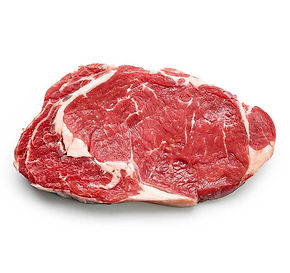
Scotch Fillet Steak
Scotch fillet steak is prepared from a boneless beef rib set. The scotch fillet is found on the back of the animal and runs from the striploin (sirloin) to the chuck. Being a 'support' muscle not subjected to the heavy work of moving the animal around, scotch fillet steaks are tender, tasty and moist and perform best with fast hot cooking methods such as pan-frying and barbecuing or stir-frying when thinly sliced.
Rib Cutlet
Take a beef standing rib roast and slice it into steaks. This gives you a rib cutlet. If you remove the bone from the steak it becomes a scotch fillet. Like a scotch fillet, rib cutlets are tender, full of flavour and perform best when cooked in a pan, on a barbecue or sliced thinly for a beef stir-fry.


Tomahawk Steak
Take a beef standing rib roast and slice it into steaks. This gives you a rib cutlet. If you remove the bone from the steak it becomes a scotch fillet. Like a scotch fillet, rib cutlets are tender, full of flavour and perform best when cooked in a pan, on a barbecue or sliced thinly for a beef stir-fry.
The tomahawk steak is a classic cut. It is marbled, moist, and has an intense flavor thanks to its intact rib bone. The cut is a bone-in ribeye steak from the front rib of the beef. The thickness of the cut depends on the thickness of the bone. A tomahawk steak is normally so big that it can easily feed at least two people.


.jpg)
Porterhouse Steak
A porterhouse steak is a large, premium beef cut taken from the short loin, combining two steaks in one — a tender fillet (eye fillet/tenderloin) on one side of the bone and a rich, juicy striploin on the other. Known for its bold beef flavour, tenderness, and impressive size, the porterhouse is ideal for cooking over a hot charcoal braai where the bone helps retain moisture and adds extra flavour. Best cooked medium-rare to medium with simple seasoning like salt, pepper, and a touch of oil, it delivers a perfect balance of buttery tenderness and hearty steak texture.
Mince
Beef mince is a versatile and protein-rich meat option commonly used for burgers, meatballs, tacos, pasta dishes, and braai meals. Regular beef mince contains a higher fat content, usually around 20–30%, giving it a richer flavour and juicier texture, making it ideal for burgers and hearty meals. Lean beef mince has less fat, typically around 10–15%, offering a healthier balance between flavour and lower calories. Extra lean beef mince contains the least fat, generally under 5–10%, making it the best option for weight loss, high-protein diets, and clean eating while still delivering excellent nutrition such as iron, zinc, vitamin B12, and quality protein.


Rump Steak
Ingredients (Serves 2)
Steak
-
1 thick-cut rump steak (400–600g, 3–5cm thick)
-
1 tbsp olive oil
-
2 tsp coarse sea salt
-
2 tsp freshly cracked black pepper
-
2 tsp traditional South African smoky braai spice
-
1 tsp toasted coriander seeds, lightly crushed
-
½ tsp smoked paprika
-
1 tbsp Worcestershire sauce
Garlic, Ginger & Coriander Relish
-
4 cloves garlic, finely minced
-
2 tsp fresh ginger, finely grated
-
3 tbsp extra virgin olive oil
-
2 tbsp fresh coriander, finely chopped
-
1 small red chilli, finely sliced
-
Juice of 1 lemon
-
1 tsp lemon zest
-
½ tsp flaky sea salt
-
Freshly cracked black pepper to taste
Optional Finishing Touch
-
Small knob of salted butter
-
Pinch of flaky sea salt
Method
1. Prepare the Steak
Pat the steak completely dry with paper towel.
Combine:
-
Olive oil
-
Worcestershire sauce
-
Braai spice
-
Crushed coriander seeds
-
Smoked paprika
-
Black pepper
Rub the mixture thoroughly over the steak.
Leave uncovered in the refrigerator for 2–4 hours, or overnight for maximum flavour.
Remove from the fridge 45 minutes before cooking.
Just before braaiing, season generously with coarse sea salt.
2. Build the Perfect Braai Fire
Use quality hardwood lump charcoal.
Allow the coals to burn until glowing red with a light grey ash coating.
Create:
-
A very hot direct cooking zone
-
A medium indirect cooking zone
The hotter the initial sear, the better the crust.
3. Braai the Steak
Place the steak directly over the hottest coals.
Cook without moving:
First Side
-
3–4 minutes
Second Side
-
3–4 minutes
Once a dark caramelised crust develops, move the steak to indirect heat.
Cook until internal temperature reaches:
Doneness Temperature
Rare 50–52°C
Medium-Rare 54–56°C
Medium 58–60°C
For the best eating quality, aim for medium-rare.
4. Make the Relish
While the steak cooks, combine:
-
Garlic
-
Ginger
-
Olive oil
-
Coriander
-
Chilli
-
Lemon juice
-
Lemon zest
-
Salt
-
Black pepper
Allow the mixture to stand for at least 10 minutes.
This softens the garlic and lets the flavours infuse into the oil.
5. Rest Like a Pro
Remove the steak from the braai.
Place a small knob of butter on top.
Loosely tent with foil.
Rest for 8–10 minutes.
This keeps the meat juicy and allows the butter to melt into the crust.
6. Finish & Serve
Slice against the grain into thick strips.
Arrange on a warm platter.
Spoon the garlic, ginger and coriander relish over the steak.
Finish with:
-
A squeeze of fresh lemon
-
A pinch of flaky sea salt
-
Extra cracked black pepper
Charkii Braai Tip
For an authentic South African flavour, throw a handful of soaked oak or red gum wood chips onto the coals during the final minutes of cooking. The light smoke complements rump steak beautifully and elevates the traditional braai character without overpowering the beef.
Serve with:
braaibroodjies
grilled mielies (corn)
chakalaka
or a fresh tomato-and-onion relish for a true South African braai experience.


T Bone Steak


A traditional South African-style braai recipe designed for a thick-cut premium T-bone (4–6 cm thick), delivering a smoky crust, juicy sirloin, and tender fillet.
Ingredients
Steak
-
1 premium thick-cut T-bone steak (800 g–1.2 kg, 4–6 cm thick)
-
2 tsp coarse sea salt
-
1 tsp freshly cracked black pepper
-
1 tsp smoked paprika
-
1 tsp garlic powder
-
1 tbsp olive oil
Charkii Braai Basting Butter
-
60 g salted butter
-
2 cloves garlic, finely minced
-
1 tsp fresh rosemary, chopped
-
1 tsp fresh thyme leaves
-
1 tsp Worcestershire sauce
-
½ tsp chilli flakes (optional)
To Serve
-
Braaied mielies (corn)
-
Grilled onions
-
Garlic bread
-
Fresh chimichurri or tomato relish
Preparation
-
Remove the T-bone from the fridge 45–60 minutes before cooking.
-
Pat dry thoroughly with paper towel.
-
Lightly coat with olive oil.
-
Season generously with salt, pepper, smoked paprika, and garlic powder.
Prepare the Braai
Create a two-zone fire:
-
Hot Zone: Directly over the coals for searing.
-
Cool Zone: Indirect heat for gentle finishing.
Allow coals to become white-hot before cooking.
Charkii Braai Butter
Melt butter in a small pan.
Add:
-
Garlic
-
Rosemary
-
Thyme
-
Worcestershire sauce
-
Chilli flakes
Warm gently for 2–3 minutes and reserve.
Braai Method
Step 1: Sear
Place steak over the hottest coals.
Cook:
-
3–4 minutes per side
Rotate halfway through each side for attractive braai marks.
Step 2: Indirect Finish
Move steak to the cooler side.
Cook with lid closed if available:
Doneness Internal Temp
Rare 50–52°C
Medium Rare 54–57°C
Medium 60–63°C
For a 5 cm thick T-bone, medium-rare typically takes an additional 8–12 minutes after searing.
Step 3: Baste
During the final few minutes:
Brush generously with the Charkii Braai Butter every minute.
This creates a rich, smoky herb crust.
Resting
Remove steak when 2–3°C below target temperature.
Rest:
-
10–15 minutes
-
Loosely tented with foil
The temperature will continue rising during the rest.
Serving
Slice the sirloin and fillet away from the bone.
Serve on a wooden board with:
-
Extra braai butter drizzled over the top
-
Charred corn
-
Grilled onions
-
Fresh chimichurri
Charkii Braai Pro Tip
For authentic South African flavour, throw a handful of soaked oak or mesquite wood chips onto the coals just before the steak goes on. The light smoke pairs beautifully with the rich flavour of a thick-cut T-bone and creates that unmistakable braai aroma
Pairing Suggestion
Serve with a glass of South African Pinotage or a cold lager alongside traditional braai sides for a true Charkii braai experience

Tomahawk Steak
A thick-cut tomahawk is all about simplicity, fire control, and letting the quality of the beef shine. This recipe delivers a deep smoky crust, juicy medium-rare centre, and a classic South African braai flavour profile.
Ingredients (Serves 2–4)
Steak
-
1 thick-cut Tomahawk steak (1.2–1.8 kg, 5–7 cm thick)
-
2 tbsp olive oil
-
2 tsp coarse sea salt
-
2 tsp cracked black pepper
-
1 tsp smoked paprika
-
1 tsp ground coriander
Charkii Garlic Butter
-
100 g butter, softened
-
4 cloves garlic, finely minced
-
1 tbsp fresh parsley, chopped
-
1 tsp fresh rosemary, finely chopped
-
Pinch of sea salt
Preparation
1. Bring to Room Temperature
Remove the tomahawk from the fridge 60–90 minutes before cooking.
Pat dry thoroughly with paper towel.
Rub with olive oil and season generously with:
-
Salt
-
Black pepper
-
Smoked paprika
-
Ground coriander
2. Prepare the Braai
Set up a two-zone fire:
Hot Zone
-
Directly above the coals
-
250–300°C
Cool Zone
-
Away from the coals
-
120–150°C
This allows a reverse-sear method for maximum tenderness.
Cooking Method
Stage 1: Slow Cook
Place the tomahawk on the cooler side of the braai.
Cook with the lid closed if available.
Turn every 10 minutes.
Approximate time:
-
35–50 minutes
Internal temperature:
-
45–48°C for medium-rare finish
Stage 2: Sear
Move to the hottest part of the braai.
Sear:
-
2–3 minutes per side
-
Rotate occasionally for an even crust
Target internal temperature:
-
52–54°C
The temperature will rise during resting.
Charkii Garlic Butter
Mix:
-
Butter
-
Garlic
-
Parsley
-
Rosemary
-
Salt
Set aside while the steak cooks.
Stage 3: Rest
Transfer steak to a wooden board.
Top with generous dollops of garlic butter.
Loosely tent with foil.
Rest:
-
10–15 minutes
Final temperature:
-
55–57°C (perfect medium-rare)
Serving
Slice against the grain and serve with:
-
Braaibroodjies (braai sandwiches)
-
Fire-roasted corn
-
Grilled asparagus
-
Chakalaka
-
Crispy braai potatoes
Charkii Braai Pro Tip
For competition-quality flavour, throw a handful of soaked oak, pecan, or whiskey barrel chips onto the coals during the slow-cook phase. The tomahawk will pick up a subtle smoky aroma that pairs beautifully with the rich ribeye marbling.
Doneness Guide
-
Rare: 50–52°C
-
Medium-Rare: 55–57°C
-
Medium: 60–63°C
-
Medium-Well: 65–68°C
This method produces a thick, smoky crust while keeping the centre buttery, juicy, and perfectly pink—the way a premium Charkii Tomahawk should be served.


Rib Cutlet


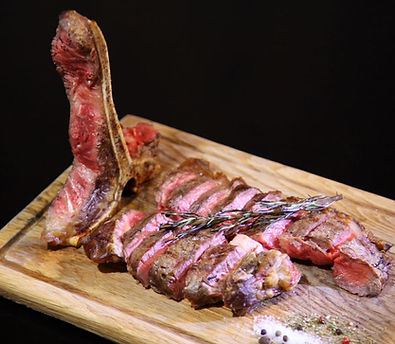

A thick-cut beef rib cutlet is one of the most impressive cuts for a traditional South African braai. The rich marbling and bone-in presentation create exceptional flavour when cooked over hot coals.
Ingredients
For the Beef
-
1 thick-cut beef rib cutlet (800g–1.2kg, 4–6cm thick)
-
2 tbsp olive oil
-
2 tsp coarse sea salt
-
1 tsp freshly cracked black pepper
-
1 tsp smoked paprika
-
1 tsp crushed coriander seeds
-
½ tsp garlic powder
Charkii Garlic Butter Baste
-
75g salted butter, melted
-
3 cloves garlic, finely minced
-
1 tbsp fresh parsley, chopped
-
1 tsp lemon juice
Preparation
1. Prepare the Rib Cutlet
-
Remove the beef from the fridge 45–60 minutes before cooking.
-
Pat dry thoroughly with paper towel.
-
Lightly coat with olive oil.
-
Mix salt, pepper, paprika, coriander and garlic powder.
-
Season generously on all sides.
Fire Management
For the best Charkii braai:
-
Build a strong hardwood charcoal fire.
-
Create a two-zone setup:
-
High heat zone for searing
-
Medium heat zone for finishing
-
-
Aim for cooking temperatures around 250–300°C at grill level.
Garlic Butter Baste
Combine:
-
Melted butter
-
Garlic
-
Parsley
-
Lemon juice
Keep warm beside the braai.
Cooking Method
Step 1 – Sear
Place the rib cutlet directly over hot coals.
Cook:
-
3–4 minutes per side
-
Rotate halfway through each side for crosshatch grill marks
Step 2 – Finish
Move to the medium heat zone.
Cook until internal temperature reaches:
Doneness Temperature
Rare 50–52°C
Medium Rare 54–57°C
Medium 60–63°C
Baste lightly with garlic butter during the final 5 minutes.
Step 3 – Rest
Remove from the braai and rest:
-
10–15 minutes loosely covered with foil.
Serving
Slice against the grain and finish with:
-
Flaky sea salt
-
Fresh parsley
-
Extra garlic butter
Serve alongside:
-
Traditional braai broodjies
-
Roosterkoek
-
Grilled mielies
-
Chakalaka
-
Potato salad
Charkii Pitmaster Tip
For a true South African flavour, throw a small handful of soaked oak or hickory wood chips onto the coals during the final stage of cooking. The beef rib cutlet's rich marbling absorbs the smoke beautifully and creates that authentic fireside braai aroma.
Recommended finish:
Medium-rare (54–57°C). This preserves the rib cutlet's natural juiciness and allows the marbling to fully render while remaining tender and succulent.

Stuffed Fillet
A premium South African-inspired braai centrepiece that elevates the classic carpetbagger fillet. The addition of roasted garlic, toasted coriander seed, smoked paprika and a red wine glaze brings deeper flavour while allowing the tender eye fillet to remain the star.
Ingredients
Beef
-
1.25–1.5kg whole beef eye fillet (tenderloin)
Stuffing
-
150g soft Danish feta, crumbled
-
120g sun-dried tomatoes, drained and finely chopped
-
100g smoked mussels, drained and roughly chopped
-
2 tbsp fresh parsley, finely chopped
-
1 tbsp fresh basil, finely chopped
-
2 cloves roasted garlic, mashed
-
1 tsp lemon zest
-
Fresh cracked black pepper
Charkii Braai Rub
-
3 tbsp Cape Herb & Spice Smoky BBQ Braai Shaker
-
1 tsp toasted coriander seeds, crushed
-
1 tsp smoked paprika
-
1 tsp coarse sea salt
-
1 tbsp olive oil (preferably from the sun-dried tomato jar)
Optional Braai Basting Glaze
-
2 tbsp beef stock
-
2 tbsp red wine
-
1 tbsp melted butter
-
1 tsp Worcestershire sauce
Equipment
-
Charkii stainless steel braai spikes
-
Instant-read thermometer
Preparation
1. Butterfly the Fillet
Lay the fillet flat on a board.
Using a sharp knife, cut horizontally through the centre, stopping approximately 2cm before cutting all the way through.
Open like a book and gently flatten until evenly thick.
2. Season the Interior
Brush the inside lightly with olive oil.
Sprinkle with:
-
1 tbsp Smoky BBQ Braai Shaker
-
Half the crushed coriander
-
Fresh black pepper
Allow to stand for 10 minutes.
3. Prepare the Filling
Combine:
-
Danish feta
-
Sun-dried tomatoes
-
Smoked mussels
-
Parsley
-
Basil
-
Roasted garlic
-
Lemon zest
Mix gently to keep texture in the filling.
4. Stuff and Roll
Spread the mixture evenly over the fillet, leaving a 1cm border.
Roll tightly from the long side into a compact cylinder.
Secure firmly using Charkii stainless steel braai spikes every 4–5cm.
This creates a cleaner presentation and allows easier slicing after cooking.
5. Apply the Exterior Rub
Mix:
-
Remaining Smoky BBQ Braai Shaker
-
Remaining coriander
-
Smoked paprika
-
Olive oil
Massage over the entire fillet.
Allow to rest for 20–30 minutes while the fire develops.
Fire Management
For the best Charkii result:
-
Build a two-zone charcoal fire.
-
One side very hot for searing.
-
One side medium heat for roasting.
-
Target cooking temperature: 180–200°C.
Use quality hardwood lump charcoal for superior flavour.
Cooking Method
Stage 1 – Sear
Place directly over hot coals.
Sear:
-
2 minutes per quarter turn
-
Approximately 8 minutes total
Develop a rich mahogany crust.
Stage 2 – Roast
Move to indirect heat.
Close the lid.
Cook until internal temperature reaches:
Doneness Internal Temp
Rare 50–52°C
Medium Rare 54–56°C
Medium 58–60°C
Approximately 25–35 minutes.
Stage 3 – Baste
During the final 10 minutes, brush lightly with the red wine butter glaze every 3–4 minutes.
This adds shine and a subtle richness without overpowering the fillet.
Stage 4 – Rest
Remove from the braai.
Rest loosely covered for 15–20 minutes.
The feta softens beautifully while the juices redistribute through the meat.
Serving
Slice into 2–3cm medallions.
Each slice should reveal:
-
Pink eye fillet
-
Creamy feta
-
Rich smoked mussels
Charkii Serving Suggestions
Serve alongside:
-
Grilled mielies with herb butter
-
Braaied baby potatoes
-
Charred asparagus
-
Red wine reduction
-
Traditional South African tomato and onion smoor
Charkii Pro Tip
Place a small chunk of apple wood or red gum on the charcoal during the roasting stage. The gentle smoke complements the mussels and feta beautifully while maintaining the delicate flavour of the eye fillet. This produces a competition-quality braai roast worthy of a special occasion.


Eye Fillet Steaks
A premium South African-style braai recipe designed specifically for thick-cut eye fillet steaks cooked over the intense radiant heat of a Charkii Braai.
Serves 4 people
Ingredients
Steaks
-
4 thick-cut eye fillet steaks (300–400g each, 40–50mm thick)
-
2 tbsp olive oil
-
2 tsp coarse sea salt
-
2 tsp freshly cracked black pepper
Charkii Braai Basting Butter
-
100g salted butter, softened
-
2 cloves garlic, finely minced
-
1 tbsp fresh parsley, finely chopped
-
1 tsp fresh rosemary, finely chopped
-
1 tsp Dijon mustard
-
½ tsp smoked paprika
-
1 tbsp fresh lemon juice
Preparation
1. Prepare the Steaks
Remove the eye fillet steaks from the refrigerator 45–60 minutes before cooking.
Pat dry with paper towel.
Lightly coat with olive oil and season generously with salt and black pepper.
2. Prepare the Charkii Braai
Fill the Charkii with quality lump charcoal.
Allow the charcoal bed to become fully established with a strong radiant heat.
You want:
-
Very hot searing zone
-
Moderate finishing zone
The beauty of the Charkii Braai is the intense infrared-style heat that creates a perfect crust while keeping eye fillet tender and juicy.
Make the Basting Butter
Combine:
-
Butter
-
Garlic
-
Parsley
-
Rosemary
-
Dijon mustard
-
Smoked paprika
-
Lemon juice
Mix until smooth and set aside.
Braai Method
Step 1 – Initial Sear
Place steaks directly over the hottest section.
Cook:
-
2½–3 minutes per side
Do not move the steaks during searing.
A deep golden-brown crust should form.
Step 2 – Finish Cooking
Move steaks to a slightly cooler section.
Continue cooking:
Doneness Internal Temperature
Rare 50–52°C
Medium Rare 54–56°C
Medium 58–60°C
Medium Well 63–65°
For a 50mm thick eye fillet:
-
Medium Rare: approximately 8–10 minutes total cook time
-
Medium: approximately 10–12 minutes total cook time
Brush lightly with the garlic-herb butter during the final few minutes.
Step 3 – Rest
Remove steaks from the braai.
Top each steak with a generous spoonful of butter.
Rest for:
-
8–10 minutes
This allows the juices to redistribute throughout the meat.
To Serve
Slice thickly and sprinkle with:
-
Crushed roasted coriander seed
-
Flaky sea salt
Serve with:
-
Braaied baby potatoes
-
Grilled asparagus
-
Fire-roasted corn
-
Traditional South African braaibroodjies
-
Charkii Pro Tip
-
Eye fillet is extremely lean. For maximum flavour on a Charkii Braai, cook no further than medium-rare and finish with the garlic-herb butter while resting. The combination of the Charkii's intense heat and the rich butter creates a steakhouse-quality crust while keeping the centre exceptionally tender.


